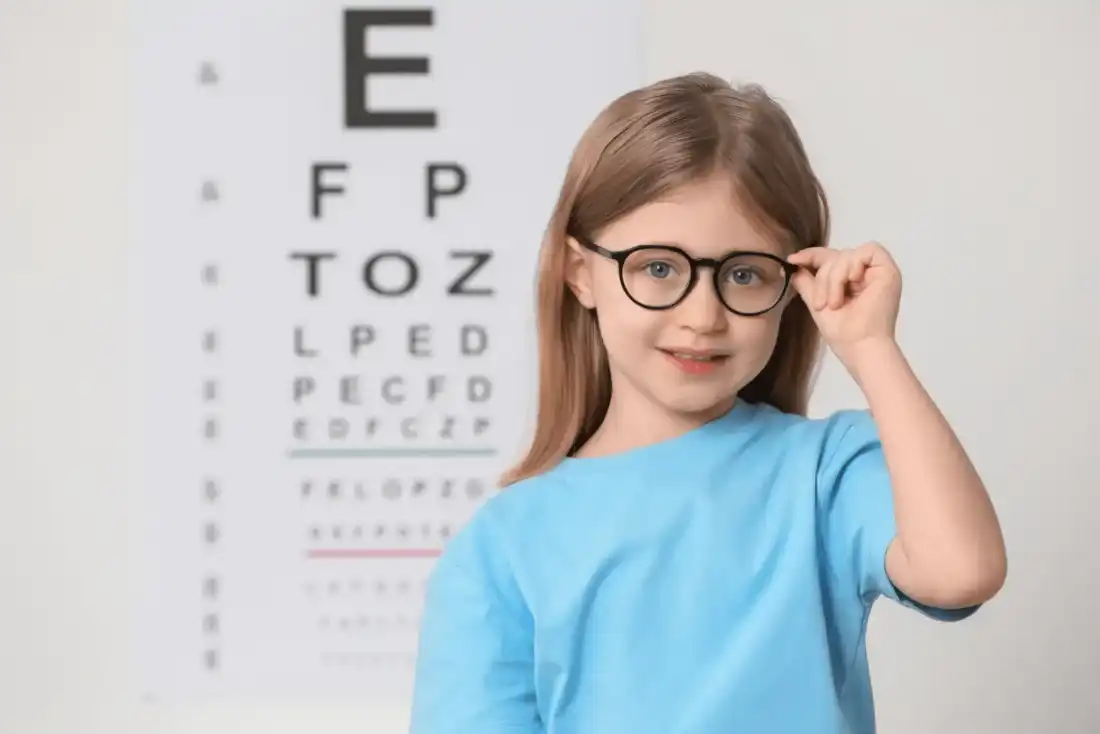
Children often adapt to blurry vision without realizing it is unusual. That means parents and teachers may be the first to spot the signs that an eye exam would help.
Definition
Comprehensive eye exam: A comprehensive eye exam is a full evaluation by an eye doctor that can diagnose a child's medical or vision problem and guide treatment. Source: CDC: Keep an Eye on Your Child's Vision.
Key takeaways
- School frustration, headaches, and holding books close can all be vision clues.
- Quick screenings are useful, but they do not replace a full exam when you keep seeing symptoms.
- Earlier answers usually mean simpler next steps for school, sports, and confidence.
Research-backed notes
About 6.8% of children under 18 in the United States have a diagnosed eye or vision condition.
Vision concerns are common enough that repeated school or reading complaints deserve a closer look.
CDC: Fast Facts on Vision LossLess than half of preschool children have had their vision tested for common eye diseases.
That gap is one reason families should trust persistent symptoms even if a child has not complained much yet.
CDC: Why Eye Exams Are ImportantAmblyopia affects about 2 to 3 out of 100 children.
Early treatment matters because some childhood vision problems respond best when found sooner.
CDC: Why Eye Exams Are ImportantWhat parents often notice first
A child may squint, sit close to screens, lose their place while reading, complain of headaches, avoid homework, or seem more tired after school. Sometimes the signs are subtle and look more like frustration than vision trouble.
- Squinting or covering one eye
- Headaches after reading or schoolwork
- Holding books or screens very close
- Losing their place while reading
- Complaints that the board is blurry
Why early eye exams matter
Children can have focusing, eye teaming, or prescription problems even if they pass a quick screening. A full eye exam gives a more complete picture and can help catch issues that affect learning, comfort, and confidence.
When to schedule
If you are seeing repeated signs at home or school, it is reasonable to book a pediatric eye exam instead of waiting for symptoms to become more obvious. Earlier answers usually make next steps easier.
Helpful external resources
Related care at Weber Eye Care
If this topic sounds familiar, learn more about pediatric eye exams.
Medical disclaimer
This information is for general educational purposes and is not a diagnosis. If you have sudden vision changes, eye pain, injury, flashes, floaters, or other urgent symptoms, call an eye care professional or seek emergency care.
When you want a real answer, come in.
If your child is squinting, struggling with reading, or complaining of headaches, book a pediatric eye exam at Weber Eye Care.